
Grandparents Day A Heartfelt Celebration of Love Memories and Gratitude
Some holidays arrive with bright lights and loud plans. Grandparents Day often arrives more quietly, wrapped in the smell of a favorite recipe, the sound of an old story told again, or the feeling of a hand resting gently on a shoulder.
It is a day set aside for people who often give without asking to be noticed. Grandparents cheer from folding chairs, save newspaper clippings, mail birthday cards with careful handwriting, and remember details that everyone else forgets. They carry family history in their voices. They teach through recipes, routines, jokes, songs, and stories. Sometimes they step in as caregivers. Sometimes they love from far away. Sometimes their presence is steady, and sometimes their memory becomes a guide.
Grandparents Day is a chance to pause and say what daily life can make too easy to leave unsaid. It reminds families that love stretches across generations, and that one shared afternoon can become a memory a child keeps for life.

How Grandparents Day began
In the United States, Grandparents Day is observed on the first Sunday after Labor Day. Its roots are deeply personal, not commercial.
The holiday is most closely connected to Marian McQuade, a West Virginia woman who spent years advocating for older adults. She cared about seniors in nursing homes, especially those who had few visitors. She also believed children should know the older people in their families and communities, not just as relatives, but as living links to history.
McQuade’s work began at the local and state level. West Virginia recognized a day honoring grandparents in the 1970s. Her efforts later reached the national stage, and in 1978 President Jimmy Carter signed a proclamation establishing National Grandparents Day.
The purpose was simple and meaningful:
To honor grandparents
To give grandparents a chance to show love for their grandchildren
To help children learn from the wisdom, experience, and guidance of older generations
That purpose still matters. The holiday was never meant to be only about cards or gifts. Those can be lovely, of course, but the spirit of the day is bigger. It asks families to notice the people who helped shape them.
It also asks communities to remember older adults who may feel unseen. Some grandparents live alone. Some have lost spouses, friends, or mobility. Some do not have grandchildren nearby. A visit, phone call, church event, school program, or neighborhood gathering can make the day feel less lonely.
The beauty of Grandparents Day is that it makes room for many kinds of families. Some people celebrate biological grandparents. Others honor step-grandparents, adoptive grandparents, great-grandparents, older neighbors, family friends, or mentors who filled that role with love.
Why grandparents hold such a special place
Grandparents often love with a different rhythm than parents. While parents may be busy with schedules, rules, work, school forms, and bedtime routines, grandparents can sometimes offer a softer kind of time.
They may be the ones who say, “Tell me everything,” and mean it. They may listen to a story that has no clear point. They may sit through a child’s song, magic trick, spelling list, or backyard discovery with full attention.
That kind of attention leaves a mark.
Many adults can still remember the details of a grandparent’s home decades later. The candy dish on the table. The squeak of the porch swing. The sound of a baseball game playing softly on the radio. The drawer with rubber bands, takeout menus, batteries, and mysterious keys. The smell of biscuits, coffee, soup, cinnamon, tomato sauce, or cut grass.
These details become emotional landmarks. They remind people where they came from and who made them feel safe.
Grandparents also pass down identity. They tell children about relatives they never met, towns they never visited, and seasons of life they never saw. Through them, family history becomes more than names and dates. It becomes human.
A grandmother might say, “Your great-grandfather sang while he worked.”
A grandfather might say, “Your mom was brave, even when she was little.”
Those simple lines help children understand that they belong to a long story.
The memories that stay with us
The stories people tell about grandparents are rarely polished. They are usually small, ordinary moments that somehow became unforgettable.
A child sits at the kitchen counter while a grandfather teaches them how to shell peas. Most of the peas roll onto the floor. The lesson turns into laughter.
A grandmother lets a grandchild stir cake batter, even though flour dusts the table and the eggshells do not all make it out of the bowl. Years later, that grandchild bakes the same cake and hears her voice saying, “A little mess means you’re doing it right.”
A teenager, too embarrassed to talk to anyone else, rides in silence with a grandparent who does not push. After a few miles, the words come. The grandparent listens, not with quick advice, but with patience.
A grandchild visiting from out of state falls asleep on the couch while old family movies play. Their grandparent covers them with the same quilt used for every guest, every winter, every time someone needed warmth.
These memories matter because they hold love in a form we can return to. They remind us that affection does not always arrive as a grand speech. Often, it arrives as a bowl of soup, a ride home, a saved seat, a wink across the room, or a story told one more time.

Ways to celebrate Grandparents Day at home
A meaningful celebration does not need to be expensive or complicated. The best plans usually create space for connection.
Share a meal with a story behind it
Cook a family recipe together, or ask a grandparent to choose a dish from childhood. If they no longer cook, prepare it for them and ask what they remember about eating it.
Good questions can open the door:
What did Sunday dinner look like when you were young?
Who taught you to cook?
What food reminds you of home?
Was there a dish everyone in the family looked forward to?
Write down the answers. Recipes are easier to preserve when the stories are saved with them.
Record a memory conversation
Use a phone or simple recorder and ask a few gentle questions. Keep it relaxed. The goal is not an interview that feels stiff. The goal is to capture a voice, a laugh, a phrase, and a few stories that might otherwise fade.
Questions to try include:
What was your first job?
What did you do for fun as a child?
What music did you love when you were young?
What is something you learned the hard way?
What do you hope our family remembers?
For families with young children, let them ask their own questions too. They may ask something funny, like “Did you have dinosaurs when you were little?” Those moments become keepsakes of their own.
Make something together
Shared projects give hands something to do while hearts open up.
Try one of these simple activities:
Plant flowers in a pot for a porch or windowsill
Build a birdhouse or paint a small wooden frame
Work on a puzzle over several visits
Make a scrapbook page with one photo and one story
Create a playlist of songs from different generations
Draw a family tree with names, nicknames, and favorite memories
The finished item matters less than the time spent side by side.
Take a memory walk
Walk through the neighborhood, a park, a garden, or even a familiar street by car. Ask what has changed and what has stayed the same. Grandparents often see places in layers. A corner store may remind them of first dates, summer jobs, old neighbors, or long-gone traditions.
For grandchildren, this can make history feel close and personal. The past stops being a chapter in a book and becomes a place someone loved.
Gift ideas that carry real meaning
A good Grandparents Day gift says, “I know you. I remember you. I value what you have given me.”
That does not require a big budget. In many cases, the most treasured gifts are personal.
Consider these heartfelt ideas:
A framed photo from a recent visit
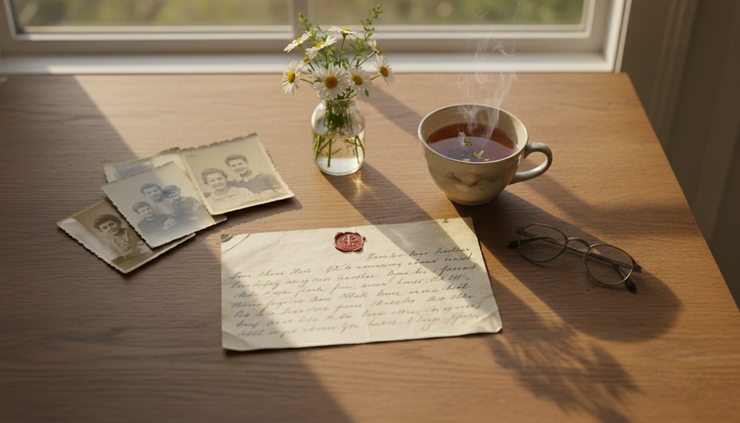
A handwritten letter with a specific memory
A child’s drawing with the date written on the back
A small album labeled with names and places
A recipe box filled with copied family recipes
A calendar marked with birthdays and family events
A recorded video message from children or grandchildren
A cozy blanket, puzzle, plant, or favorite treat
A “memory jar” filled with notes from family members
A handwritten letter may be the most powerful gift of all. It can be short. It can be simple. What matters is honesty.
Try starting with one clear sentence:
“One thing I have always loved about you is…”
From there, write about a real moment. Mention the porch swing, the bedtime story, the fishing trip, the phone calls, the school concert, the summer visits, the way they made everyone feel welcome. Specific gratitude feels warm because it proves the love was noticed.

Celebrating with grandparents who live far away
Distance changes the shape of celebration, but it does not have to weaken the feeling.
A phone call can mean more than a rushed text. A video call can include a shared activity, like drinking tea at the same time, reading a picture book, playing a guessing game, or looking at old photos together.
Families can also mail something in advance and open it together during a call. A child might send a drawing. An adult grandchild might send printed photos from the past year. Siblings or cousins can collect short notes and mail them in one envelope.
For grandparents who are not comfortable with technology, keep it simple. A scheduled call, a card, or a printed photo can feel more personal than a complicated digital plan.
If a grandparent has passed away, the day can still be meaningful. Visit a place they loved. Make their favorite meal. Tell one story about them at dinner. Light a candle. Share a photo with younger family members. Grief and gratitude often sit close together, and Grandparents Day can make room for both.
Community events that honor older generations
Grandparents Day can reach beyond individual families. Schools, libraries, senior centers, faith communities, and neighborhood groups can all create spaces where generations meet and learn from one another.
Simple community ideas include:
A school breakfast where students invite grandparents or older friends
A library story hour with grandparents reading favorite books
A senior center craft day with children and families
A community potluck featuring family recipes
A photo display of grandparents and grandchildren
A letter-writing station for residents in nursing homes
A music afternoon with songs from different eras
A local history talk led by older community members
These events matter because they fight isolation. They also teach children to value older adults as full people with dreams, humor, skills, and stories.
For families without grandparents nearby, community celebrations can be especially comforting. A child may “adopt” an older neighbor for the day. A senior without local family may enjoy being included in a classroom activity or church lunch.
The heart of the holiday grows wider when it includes people who might otherwise be left out.
A day for gratitude and reflection
Grandparents Day invites a kind of reflection that modern life often pushes aside. It asks us to slow down long enough to remember who taught us patience, humor, resilience, faith, courage, or kindness.
Some grandparents are playful and affectionate. Some are quiet. Some show love through chores, repairs, meals, errands, or steady presence. Some relationships are close. Others are complicated. Families are human, and not every story is perfect.
Even so, reflection has value. It can help people name what was good, heal what still hurts, or honor the people who did their best with what they had. Gratitude does not require pretending everything was flawless. It means noticing the gifts that were real.
A helpful way to reflect is to finish one of these sentences:
I remember when my grandparent taught me…
I felt loved when…
I can still hear them saying…
One tradition I want to keep alive is…
One thing I wish I had said is…
One thing I can say now is…
If a grandparent is still living, say the words while there is time. Call. Visit. Write. Send the photo. Ask the question. Bring the pie. Sit for an hour.
Love does not need a perfect speech. It needs expression.
Keeping the spirit of Grandparents Day all year
One day of honor is meaningful, but the spirit of Grandparents Day does not have to stay on the calendar.
Small habits can keep generations connected:
Call on the same evening each week
Mail printed photos every month or season
Ask for one family story at each holiday meal
Invite grandparents to school events, games, recitals, or online watch parties
Teach children to write thank-you notes after visits
Save voice recordings and label old photos
Make annual traditions, like apple picking, baking, fishing, gardening, or looking at Christmas lights
These habits become family glue. They help children understand that relationships need attention. They also remind grandparents that their place in the family is not limited to special occasions.
For adult grandchildren, this can be especially meaningful. A short call during a commute, a mailed card, or a shared lunch can bring back closeness that busy years may have stretched thin.
Grandparents Day is not only a celebration of age. It is a celebration of memory, belonging, and the quiet ways love travels through a family. It honors the people who held our hands when we were small, answered our questions, saved our drawings, told us where we came from, and hoped we would carry the best parts forward.
This year, let the day be more than a date. Let it be a conversation, a thank-you, a visit, a story, a prayer, a recipe, a photograph, or a letter.
Say the words that matter. Share the memory. Ask the question. Give the hug if you can.
A grandparent’s love often becomes part of who we are. Grandparents Day gives us a beautiful reason to love them back out loud.


Comments